Diablo Robot User Manual, Tutorial Video and SDK Overview
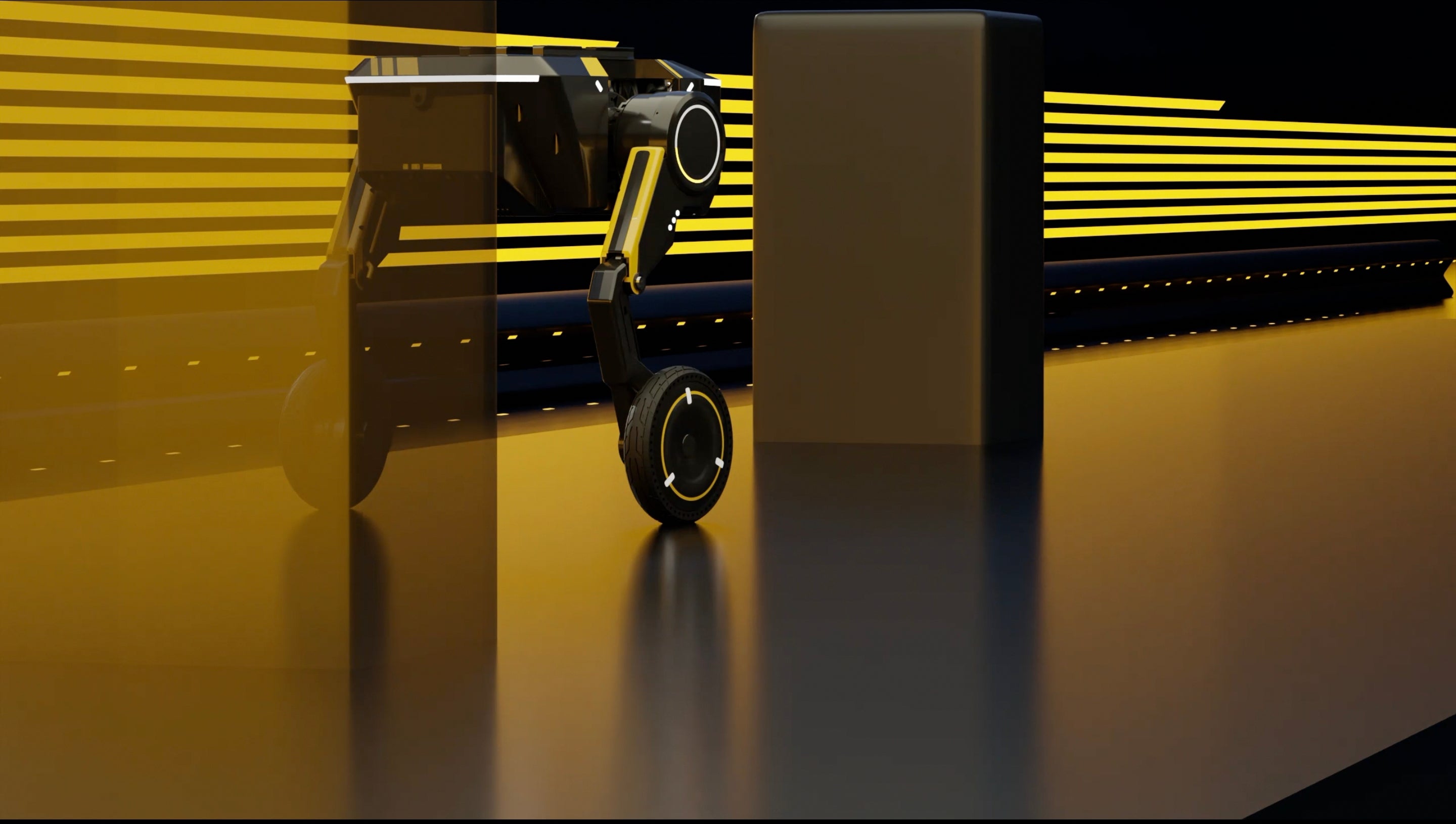
A Diablo Robot becomes much easier to use when the documentation, video lessons, and SDK are used together instead of separately. Most users spend their first few hours completing hardware setup, software installation, firmware checks, and communication tests before writing their first program. A complete learning path usually starts with the user manual, continues with tutorial videos, and finishes with SDK examples that control motors, sensors, and communication interfaces. For many robotics teams, this approach reduces setup time by more than 40% compared with learning through trial and error, while making software testing and hardware verification more consistent across different projects.
Many robotics platforms include excellent hardware but limited documentation. Diablo Robot takes a different approach by providing a user manual, tutorial videos, and software development resources that work together. New users can complete the first setup without searching through multiple websites, while experienced developers can skip introductory material and move directly to SDK examples for application development. This combination is useful in education, research, warehouse automation, inspection robots, and mobile AI platforms.
The user manual normally becomes the first reference because it explains hardware layout, electrical connections, battery installation, charging procedures, communication ports, and safety checks before the robot moves for the first time. Following these instructions helps reduce connection mistakes that often appear during the first installation, especially when different sensors or optional accessories are added after purchase.
Spending 20–30 minutes checking cable connections, firmware versions, battery voltage, and network settings before powering the robot usually saves much more time later when communication or control problems appear.
Once the hardware is ready, tutorial videos provide a faster way to understand robot operation than reading every page of documentation. Users can watch wheel calibration, emergency stop procedures, controller pairing, software installation, and motion testing while performing the same steps on their own robot. Video demonstrations also show the expected behavior after each configuration step, making it easier to notice abnormal movement or incorrect parameter settings.
Many developers also search for Direct Drive Diablo tutorials when preparing a new development environment because visual examples shorten the time required to verify communication, install required software packages, and understand the recommended workflow before writing custom applications.
The SDK extends the robot beyond standard functions. Instead of operating only through built-in controls, developers can access APIs that communicate with motion controllers, sensors, and onboard computing systems. Common SDK packages include communication libraries, programming examples, documentation, and sample projects that demonstrate robot movement, data collection, and sensor integration. In software education programs introduced after 2022, example-based SDK learning has become increasingly common because developers can modify existing projects instead of starting from an empty program.
Typical SDK applications include:
| Function | Example |
|---|---|
| Motion control | Linear movement, turning, speed adjustment |
| Sensor access | IMU, camera, LiDAR, encoder data |
| Navigation | Route planning and waypoint following |
| AI integration | Object detection and visual recognition |
| Remote operation | Wireless monitoring and control |
After the first SDK examples run successfully, developers usually begin combining several functions into larger projects. A mobile robot may receive camera images, estimate its position using encoder and IMU data, avoid obstacles with LiDAR, and report operating status through a wireless network at the same time. Organizing these functions into separate software modules also makes future updates easier because each module can be tested independently before deployment.
Most software issues reported during early development come from communication settings, dependency installation, or version mismatches rather than programming logic, making documentation and sample projects useful during troubleshooting.
Regular maintenance is another part of long-term operation. The manual normally recommends checking battery condition, tightening mechanical fasteners, cleaning wheel assemblies, confirming firmware compatibility, and inspecting communication cables after repeated use. Service intervals vary according to operating conditions, but many engineering teams schedule inspections every 100–200 operating hours to reduce unexpected downtime during demonstrations or field testing.
Documentation also becomes more valuable when several people work on the same robot. Universities, robotics clubs, research laboratories, and engineering companies often assign different responsibilities to different members. One person installs hardware, another develops perception software, while another focuses on navigation or autonomous control. Using the same manual, tutorial videos, and SDK documentation keeps development methods consistent across the entire team.
As projects become larger, version control, software documentation, and repeatable testing procedures become just as important as robot hardware. Recording SDK versions, firmware releases, calibration values, and hardware changes allows new team members to reproduce previous results without rebuilding the entire software environment. This practice has become standard across many robotics research groups since the mid-2020s because it improves collaboration and reduces repeated configuration work when robots are upgraded or moved between different development computers.